
CHARLOTTE, NC – X-Sense highlights the growing need for whole-home protection as fire behavior in modern households becomes increasingly unpredictable.
Keeping your family safe at home does not always require major renovations or expensive security systems. Many household accidents can be prevented through small, practical changes that take only a few minutes to complete. From improving lighting to checking safety alarms, these simple steps can reduce common risks and make your home more secure for children, adults, older relatives, and pets.
Improve Lighting in High-Risk Areas
Poor lighting increases the risk of trips and falls, particularly on stairs, in hallways, and around entrances. Replace burned-out bulbs promptly and consider using brighter, energy-efficient bulbs in areas where visibility is limited.
Night-lights can also be useful in bedrooms, bathrooms, and hallways. Motion-activated lights are especially helpful near staircases and outdoor walkways because they provide immediate visibility without requiring someone to search for a switch in the dark.
Outdoor lighting should cover entry doors, driveways, and pathways. Besides reducing fall risks, well-positioned exterior lights can make it easier to notice unexpected activity around your property.
Test Smoke and Carbon Monoxide Alarms
Smoke alarms are among the most important safety devices in any home. They should be installed on every level, inside bedrooms, and near sleeping areas. Test each alarm regularly by pressing its test button and replace batteries according to the manufacturer’s instructions.
Carbon monoxide safety deserves equal attention. Carbon monoxide is an invisible and odorless gas that can be produced by fuel-burning appliances, fireplaces, furnaces, generators, and vehicles. Because people cannot detect it through sight or smell, installing a reliable carbon monoxide detector is an essential household precaution.
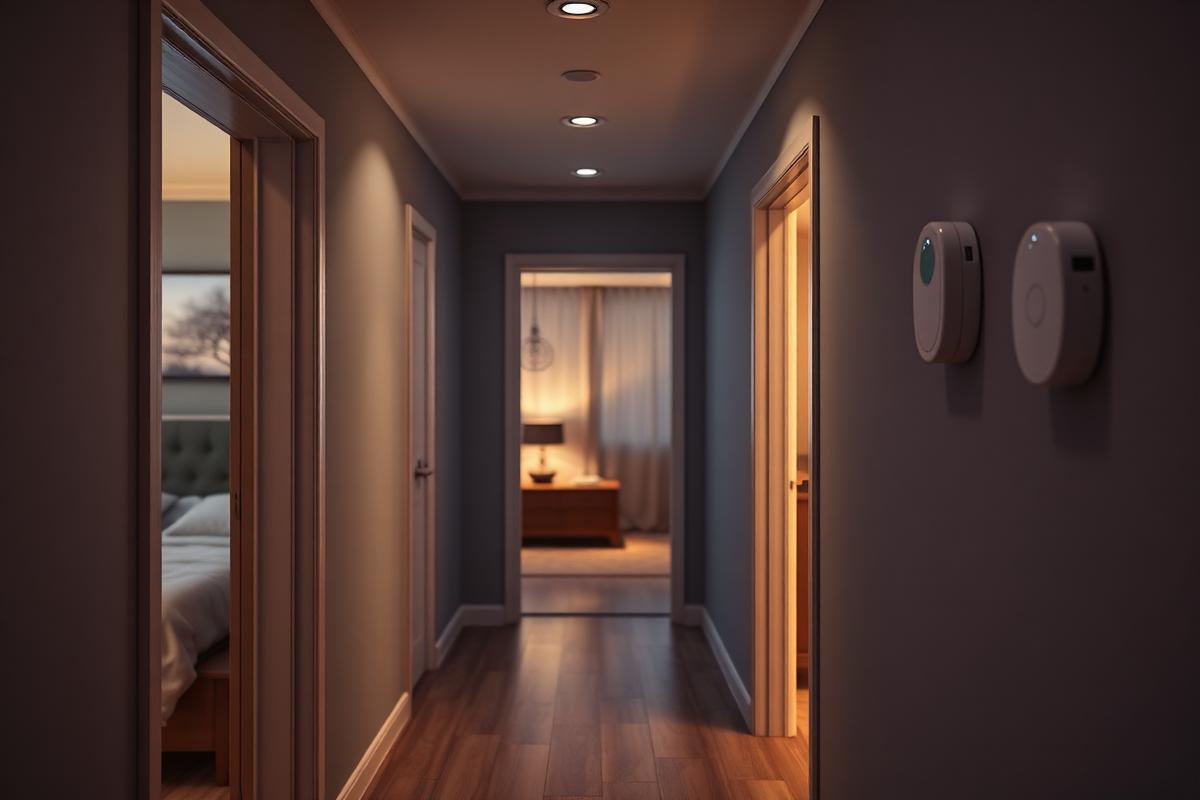
Place carbon monoxide alarms according to local safety guidance and the manufacturer’s installation instructions. They are commonly installed near sleeping areas and on each level of a home. Avoid placing them where curtains, furniture, excessive humidity, or direct airflow may interfere with their operation.
Some devices provide additional information beyond a standard audible warning. X-SENSE XC0M-iR smart carbon monoxide alarm with voice alerts monitors carbon monoxide, temperature, and humidity while offering app and voice notifications. Smart features may be useful for families that want to receive safety information on their phones, but every alarm still needs to be installed, tested, and maintained correctly.
Make the Kitchen Safer
The kitchen is one of the busiest areas of the home and a common location for burns, cuts, and fires. Keep flammable items, including dish towels, paper products, and packaging, away from the stove. Turn pot handles inward so they cannot easily be knocked or pulled down by children.
Never leave cooking unattended, particularly when frying, grilling, or using high heat. If you must leave the kitchen, turn off the appliance first. Keep a suitable fire extinguisher in an accessible location, but not directly beside the stove, where flames could prevent you from reaching it.
Sharp knives should be stored in a knife block, drawer organizer, or secure cabinet. Cleaning products should remain in their original containers and be kept away from food preparation areas.
Reduce Electrical Hazards
Inspect charging cables, extension cords, plugs, and appliance wires for cracking, exposed wiring, or unusual heat. Damaged electrical items should be replaced rather than temporarily repaired with tape.
Avoid overloading wall outlets or connecting multiple extension cords together. High-power appliances such as heaters, air conditioners, and large kitchen appliances should generally be plugged directly into an appropriate wall outlet.
Unplug small appliances when they are not in use, especially devices that generate heat. Chargers should also be kept away from bedding, sofas, and other soft materials that can trap heat.
Prevent Slips and Falls
Loose rugs, cluttered floors, wet tiles, and unstable furniture can create serious fall hazards. Use non-slip backing under rugs and remove items from stairways and frequently used walking routes.
Clean spills immediately and place non-slip mats in bathrooms, kitchens, and entrance areas. If older adults live in the home, consider installing grab bars near toilets and inside showers. Handrails should be secure, easy to grip, and available along the full length of staircases.
Furniture should not block doors, hallways, or emergency exit routes. Tall bookcases, televisions, and cabinets should be anchored to the wall, particularly in homes with young children.
Store Medicines and Chemicals Securely
Medicines, cleaning supplies, pesticides, and other potentially harmful products should be stored in locked or elevated cabinets. Child-resistant packaging provides an extra layer of protection, but it should not replace secure storage.
Keep products in their original containers so instructions and warning labels remain available. Never transfer chemicals into drink bottles, food containers, or unmarked jars. Expired or unused medicines should be disposed of through an approved collection or take-back program where available.
Create a Simple Emergency Plan
Every household should know what to do during a fire, gas leak, power outage, severe weather event, or medical emergency. Identify at least two possible exits from each main living area and choose a safe outdoor meeting point.
Make sure children understand that they should leave the building during an emergency rather than hiding or collecting belongings. Practice the plan occasionally so everyone knows where to go.
Keep emergency contact numbers accessible and confirm that family members know the home address. A basic emergency kit containing water, flashlights, batteries, first-aid supplies, essential medicines, and phone-charging equipment can also be valuable.
Turn Safety Checks Into a Routine
Home safety is most effective when it becomes an ongoing habit. Set a recurring monthly reminder to inspect alarms, electrical cords, locks, lighting, and emergency supplies. Seasonal changes are also a useful time to examine heating equipment, ventilation, outdoor paths, and weather-related risks.
Small improvements may seem insignificant individually, but together they create a safer living environment. A secure home is not built through one large decision. It is built through consistent attention to everyday risks and practical action before an emergency occurs.


