
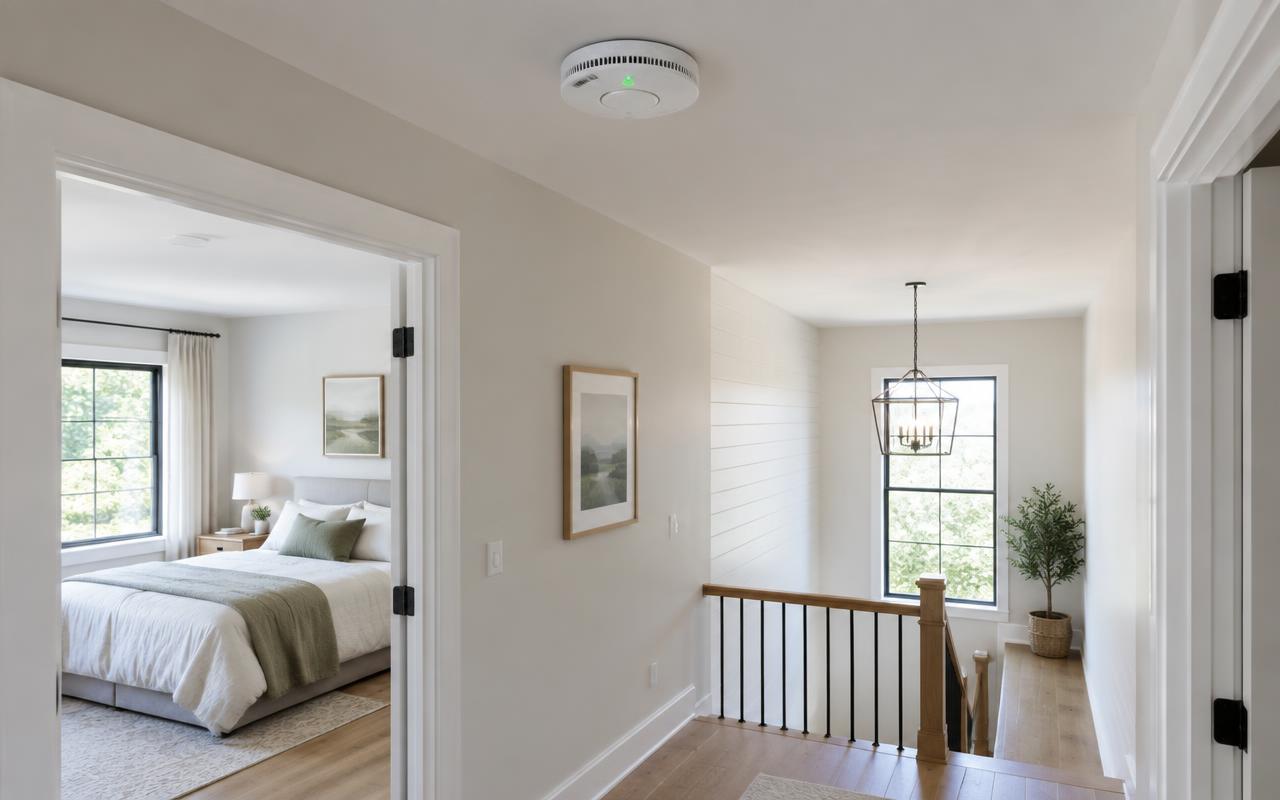
X-SENSE illuminates the need to detect two very distinct hazards inside the home and sheds light on the necessity of using combination alarms as an effective feature of home safety.
While smoke alarms have long been known as an important component of home fire safety, fire is not the only thing that can suddenly become a problem. Some carbon monoxide dangers differ from others in that it is invisible and odorless, so it can be more critical in a home that has fuel-burning appliances, fireplaces, attached garages, or other areas where carbon monoxide may be produced.
If someone is looking at their home safety system, then the only question that comes to mind is, will smoke alarms and carbon monoxide alarms be handled separately, or should both be combined?
Combination alarms serve two hazard protections. They are not giving the same smell and carbon monoxide the same threat; they’re giving two signals in one such that homes can make a very simple safety system, without missing either threat.
Two Hazards That Require Early Warning
When a fire occurs, smoke can travel rapidly around the house, even before the occupants know what is going on in the rest of the house. A well-located smoke alarm projects an audible alarm to afford individuals additional time to react and evacuate the residence.
It’s different from carbon monoxide, or CO. A colorless, odorless gas that can be created due to incomplete combustion of fuels. A CO alarm plays an important role because you cannot detect it with your senses, and it alerts you if it is detected at potentially hazardous levels.
This does not mean that protection for one hazard means protection for the other. That’s why a combination device can be valuable in homes. A household would like a smoke and CO alarm in all the right places but doesn’t want to install two alarms.
A modern smoke and carbon monoxide detector can bring the two detection functions together while giving homeowners different choices in power source, connectivity, interconnection, and other features. The right setup will depend on the size and layout of the home, local requirements, and the areas where alarms need to be installed.
Why Interconnected Alarms Can Be Useful in Larger Homes
Alarm placement becomes even more important as a home gets larger. An alarm sounding on one floor may be harder to hear from another floor, particularly at night or when bedroom doors are closed.
Interconnected systems are designed to address this problem. When compatible alarms are linked, an alarm triggered in one area can cause the connected units to sound as well. That allows a warning originating in a basement, hallway, or distant room to be heard throughout more of the property.
X-SENSE SC07-W combo smoke and CO detector is a wireless interconnected model that can connect with up to 18 compatible alarms. It also uses a 10-year sealed battery, reducing the need for routine battery replacement during its rated service life. Such features can be particularly relevant for people planning multi-room or multi-level alarm coverage.
The technology, however, is only one part of effective home safety. Even a well-designed alarm needs to be correctly installed and maintained.
Installation and Maintenance Still Matter
Always install combination alarms following manufacturer’s instructions and as required by local fire or building codes. One final point for homeowners to consider is recommended locations, which can include rooms with fuel-burning appliances, sleeping rooms, garages, stairs, and kitchens.
Regular testing is also crucial. A normal-looking alarm can have a low battery, maintenance requirement or end-of-life warning that requires action. Owners must know the test function, warning indications and timeline of the specific system they have in their house.
When relocating to a new residence, it’s also a good idea to inspect used alarms. Information on the nature of the alarms, their age, and if they are mutually interconnected or when they are coming up for replacement can help reveal gaps that would otherwise not be known.
A More Complete Approach to Household Safety
There is no one product that will solve all home emergencies. Smoke/carbon monoxide alarms are warning devices and are best used as part of a larger safety plan that includes responsible appliance use, known escape routes, preparation for emergencies in the home and testing the alarms regularly.
The value of a combination alarm is therefore not simply that it places two sensors inside one housing. Its practical benefit is that it can make it easier to include both smoke and carbon monoxide detection when planning protection across a home.
As residential safety technology continues to develop, homeowners now have choices ranging from standalone detectors to wireless, interconnected and app-connected systems. Regardless of the technology selected, the objective remains the same: provide people with an earlier warning when conditions inside the home may be unsafe.
About X-SENSE Innovations
Founded in 2013, X-SENSE Innovations operates from its registered U.S. address at X-SENSE USA LLC, 1209 Orange St, Wilmington, DE 19801, and specializes in developing certified home fire and safety solutions for residential environments.
The company focuses on producing professional and user-friendly safety devices, including domestic fire alarms such as smoke, carbon monoxide, and heat alarms, as well as smart home safety systems covering fire protection, intrusion detection, and indoor environment monitoring.
More information is available at https://www.x-sense.com/.
Media Details
Contact Person Name: Farrukh
Company Name: X-SENSE
Email: service@x-sense.com
Website: https://www.x-sense.com/
Phone: +1 (833) 952-1880


